Children
Video
What is Trauma? Psychoeducation for Kids!
Kid-friendly explanation of what trauma is and how it affects us
YouTube
Free, evidence-informed resources from trusted institutions to support children, caregivers, educators, and clinicians through trauma recovery. Curated by Joshua Fisherkeller, MSW.
A practical, parent-friendly guide on one of the most misunderstood moments in trauma-informed caregiving.
When a child shifts into survival mode, complex language doesn't reach them. These short, grounding scripts do — and they're drawn from NCTSN and Child Mind Institute research.

All 8 PRACTICE components, companion songs, books, free clinical training, and FAQ — in one place.
85 free, evidence-informed resources from organizations like NCTSN, the CDC, TF-CBT.musc.edu, and Zero to Three — organized across 9 pillars so you can find what you need fast.
Share these resources. Use Copy Link on any card to grab the URL — then paste it for clients, families, or colleagues.
Evidence-informed tools for children, teens, caregivers, and clinicians.
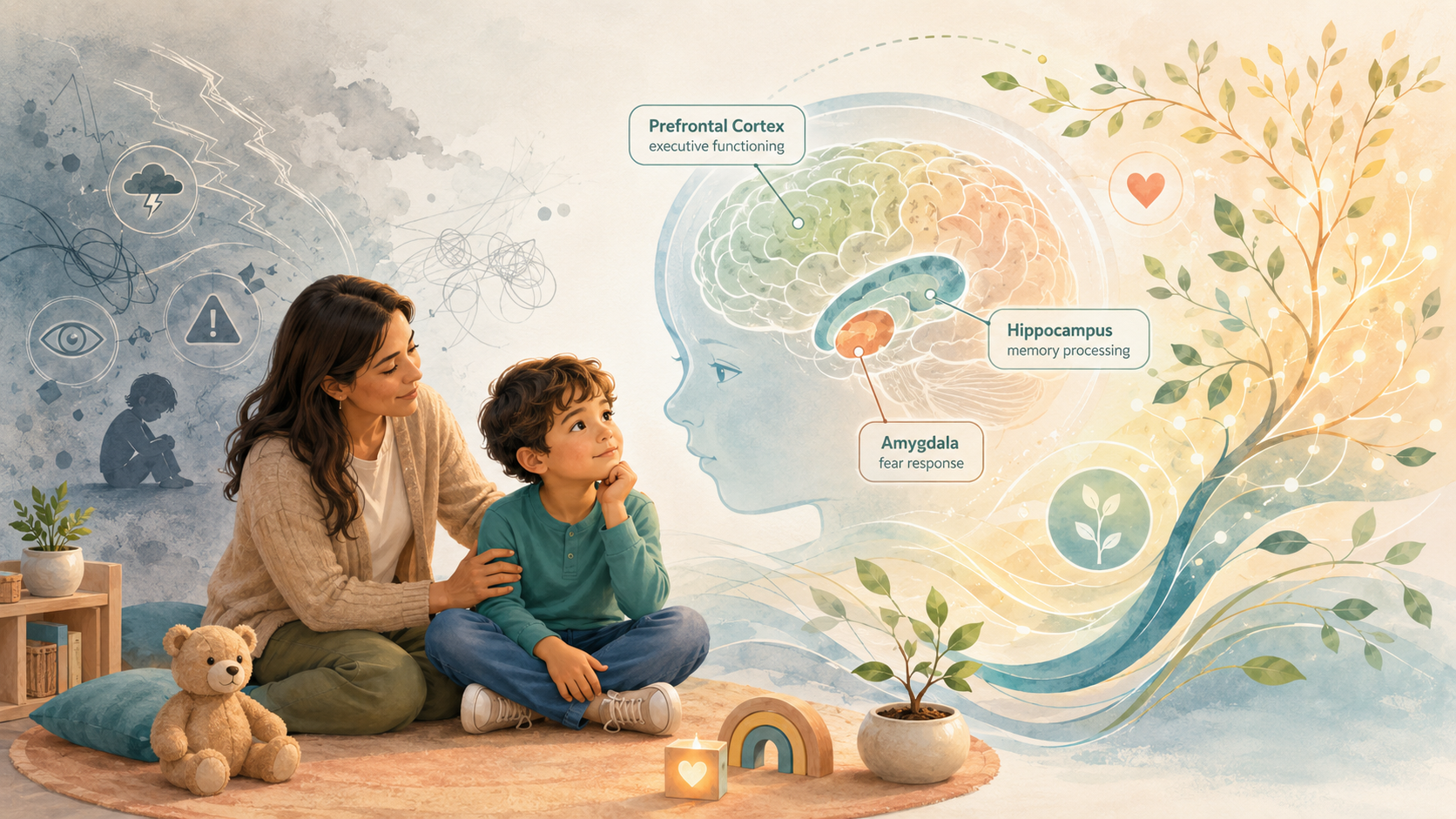
Childhood trauma refers to experiences that overwhelm a child’s ability to cope — abuse, neglect, loss of a caregiver, witnessing violence, or natural disasters. Trauma affects brain development, particularly the amygdala, hippocampus, and prefrontal cortex.
The good news: with evidence-informed support like TF-CBT, co-regulation with trusted adults, and grounding techniques, children’s brains can heal and build resilience. Below are free, curated resources organized by skill area for ages 3–18.
Kid-friendly explanation of what trauma is and how it affects us
YouTube
The barking dog/wise owl and upstairs/downstairs brain concepts
Vimeo
Fun song teaching brain anatomy: hippocampus, prefrontal cortex, amygdala, cerebellum, neurons
YouTube
Comprehensive resource hub with videos, storybooks, printables, and guides
Sesame Workshop
Foundational guide outlining key concepts on how trauma impacts children's development, brain function, and family dynamics
NCTSN
Working paper explaining how prolonged stress alters brain development in young children
Harvard Center on the Developing Child
Animated series illustrating how early trauma affects brain structure and function
UK Trauma Council
Details how trauma rewires infant brains, emphasizing prevention through responsive caregiving
Zero to Three
Explains trauma's impact on learning and behavior, highlighting brain changes and school challenges
Child Mind Institute
Describes trauma's effects on young children's emotions and behaviors
NCTSN
Details how neglect as a form of trauma impairs brain architecture and development
Harvard Center on the Developing Child
Guide for educators on creating trauma-sensitive learning environments
NCTSN
Overview of Adverse Childhood Experiences and their long-term health impacts
Harvard Center on the Developing Child
Beautiful animation teaching children mindful breathing for emotional regulation
YouTube
Free printable resources for creating calming spaces including breathing exercises and sensory tools
Your Therapy Source
Explains how caregiver calm literally regulates child's nervous system
NCTSN
Skills-based program teaching emotion regulation through the FREEDOM steps
NCTSN
Short videos guide teens in grounding exercises to reconnect during overwhelm
Child Mind Institute
Teaches deep belly breathing to calm physical symptoms of trauma stress
Child Mind Institute
Builds self-regulation skills through attachment-focused activities
NCTSN
Elementary-focused videos introduce paced breathing for intense emotions
Child Mind Institute
Clear explanation of co-regulation and how caregivers model emotional management to help kids learn self-regulation over time — requires managing your own emotions first
Child Mind Institute
Research-based explanation of how caregiver co-regulation builds a child's capacity for independent self-regulation
Zero to Three
How parent emotion regulation — staying calm, managing stress, supporting child emotions — directly shapes child development outcomes
Zero to Three
Guide to nurturing emotional regulation through co-regulation during everyday caregiving routines with babies and toddlers
Zero to Three
Explains how caregivers use tone, facial expressions, and body language to co-regulate a child's distress response
NCTSN
How responsive parenting builds attachment bonds that underpin children's regulatory development and emotional security
Zero to Three
Age-specific guide on helping toddlers name feelings and practice emotion management as they build self-regulation
Zero to Three
Elmo learns an emotional awareness strategy for identifying and managing feelings
Sesame Street
Free evidence-informed video series teaching kids to recognize and understand their emotions
Child Mind Institute
Five episodes teaching young children about feelings, using words, having big feelings, being brave, and being a good friend
Child Mind Institute
Visual aids showing different facial expressions to help children identify emotions
Teachers Pay Teachers
Using Pixar's Inside Out characters to teach children about complex emotions
Pixar
Story-based approach to helping children sort and identify different feelings
YouTube
Daily tracking tool for children to identify and communicate how they're feeling
NCTSN
Parent guide for facilitating emotional expression in trauma-affected children
NCTSN
Sesame Workshop hub with bilingual caregiver guides for helping children identify and communicate emotions, big and small
Sesame Workshop
Free bilingual resources for understanding children's emotional expression and supporting feelings management
Sesame Workshop
Caregiver guide on supporting children with strong emotional reactions to find more effective ways to handle and express feelings
Child Mind Institute
Zero to Three resource on naming infant and toddler feelings as the critical first step in building emotional literacy
Zero to Three
APA guidance on emotion regulation as a developmental skill built on attention, language, and cognitive growth
American Psychological Association
Free educator lesson guide for teaching young children to name and talk about their feelings
KidsHealth
Elmo demonstrates belly breathing - a core coping skill for calming the body
Sesame Street
Sensory-based grounding method to bring children back to the present moment during anxiety
University of Rochester Medical Center
Self-soothing technique using bilateral stimulation for trauma stress relief
NCTSN
Guided exercise tensing and releasing muscle groups to reduce physical tension
Anxiety Canada
Comprehensive collection of age-appropriate coping strategies
NCTSN
Kid-friendly yoga and relaxation videos for body-based coping
YouTube
Guided imagery technique for creating an internal calm space
NCTSN
Practical parent guide for supporting children after trauma — managing fears, restoring normalcy, and knowing when to get professional help
Child Mind Institute
Evidence-informed strategies including giving warnings before transitions, offering choices, and planning ahead to prevent dysregulation
Child Mind Institute
How adults can demonstrate healthy coping — mindfulness, deep breathing, positive self-talk — so children learn by example
Child Mind Institute
Recognizing signs of stress in children and building in healthy responses: play, nature time, family connection
KidsHealth
Simple teen-friendly coping techniques including slow breathing, building support networks, and gradually facing fears
KidsHealth
Evidence-informed strategies for parents to support anxious children without reinforcing avoidance behaviors
Child Mind Institute
Printable worksheet teaching children to shift focus from distressing thoughts to the present moment using sensory awareness
Therapist Aid
Child-friendly worksheet with strategies for managing worry: talking about problems, breathing, doing something fun, changing mindset
Therapist Aid
Free handouts covering deep breathing, progressive muscle relaxation, mindfulness, and other calming techniques
Therapist Aid
Sesame Street episode addressing violence exposure and building safety
Sesame Street
Activity for children to identify their support network and safe people
NCTSN
Guide for educators on trauma-sensitive environments that promote safety
NCTSN
Teaching children to recognize and report concerning interactions
NCTSN
CDC overview of how safe, stable, nurturing relationships prevent abuse, with action steps for parents, communities, and professionals
CDC
Sesame Workshop video for adults on helping children identify a circle of safe, trusted adults — Mae offers tips for supporting children during uncertainty
Sesame Workshop
NCTSN overview of physical abuse — its effects on children and how caregivers and professionals can recognize and respond
NCTSN
Darkness to Light resource on teaching children that they have the right to say no to physical contact — even with authority figures — without punishment
Darkness to Light
NCTSN overview of child sexual abuse, its impact on children, and guidance for caregivers and professionals on how to respond and seek help
NCTSN
CDC evidence-informed overview of what increases or decreases risk of child abuse, helping caregivers understand protective conditions they can actively build
CDC
Sesame Workshop's child safety resource hub with videos, printables, and guides on body safety, trusted adults, and keeping children safe
Sesame Workshop
Sesame Street video demonstrating the value of close physical contact with safe and trusted adults — reinforces the concept of trusted relationships for young children
Sesame Workshop
Evidence-informed scripts for parents responding to a child's trauma reminder response — what to say, what not to say, and how co-regulation works. Written by Joshua Fisherkeller, MSW.
Skills for Children
Explains what triggers are and how they activate trauma responses
NCTSN
Parent strategies for supporting children when triggered
NCTSN
Activity to help children recognize their personal trigger patterns
Therapist Aid
Immediate strategies to bring children back to present when trauma memories surface
NCTSN
Collaborative planning tool for managing anticipated triggers
Therapist Aid
Understanding and preparing for increased symptoms around trauma dates
NCTSN
Physical tools and sensory items that interrupt trauma responses
Your Therapy Source
Educator guide for reducing and responding to triggers in school settings
NCTSN
Evidence-informed scripts for parents responding to a child's trauma reminder response — what to say, what not to say, and how co-regulation works. Written by Joshua Fisherkeller, MSW.
Skills for Children
Animated series for caregivers on how trauma affects brain development
UK Trauma Council
Understanding and managing vicarious trauma from supporting hurt children
NCTSN
Essential self-care strategies for adults caring for traumatized children
NCTSN
Age-appropriate language for discussing difficult trauma topics
NCTSN
Research-based strategies parents can use to foster resilience
American Psychological Association
Self-guided activities for parents working through their own trauma history
NCTSN
Resources for parents managing their own trauma symptoms while parenting
VA National Center for PTSD
Specialized guidance for caregivers of children with complex trauma histories
NCTSN
Videos, activities, and printables teaching children bounce-back skills
Sesame Workshop
Research on positive changes that can emerge from trauma processing
NCTSN
Understanding how trauma survivors can develop new strengths
American Psychological Association
Strategies for restoring optimism and future orientation in children
NCTSN
Using storytelling to rewrite traumatic experiences with empowerment
GoodTherapy
Worksheets helping children identify their personal resilience resources
Therapist Aid
Research-identified protective factors that support healing
NCTSN
Harvard's comprehensive resource collection for building resilience in children facing adversity, toxic stress, and difficult life experiences
Harvard Center on the Developing Child
Explains how responsive adult-child interactions shape brain architecture and are the biological foundation of long-term resilience
Harvard Center on the Developing Child
Jack Shonkoff and experts discuss the science of play as a powerful mechanism for building resilience in children facing adversity
Harvard Center on the Developing Child
Harvard's explanation of what makes children resilient and the key protective factors — relationships and skill-building — that buffer adversity
Harvard Center on the Developing Child
How parents' protection, nurturance, and guidance speeds children's recovery from trauma and supports healthy coping
NCTSN
How family resilience — effective functioning and healthy emotional expression — protects children following trauma
NCTSN
APA podcast with Dr. Richard Tedeschi exploring how trauma survivors develop new appreciation, strength, and meaning from adversity
American Psychological Association
Evidence-informed overview of resilience as a child's ability to recover from trauma, with protective factors in families and communities
NCTSN
Written for children ages 6–11 navigating trauma recovery, this book maps to the PRACTICE protocol.
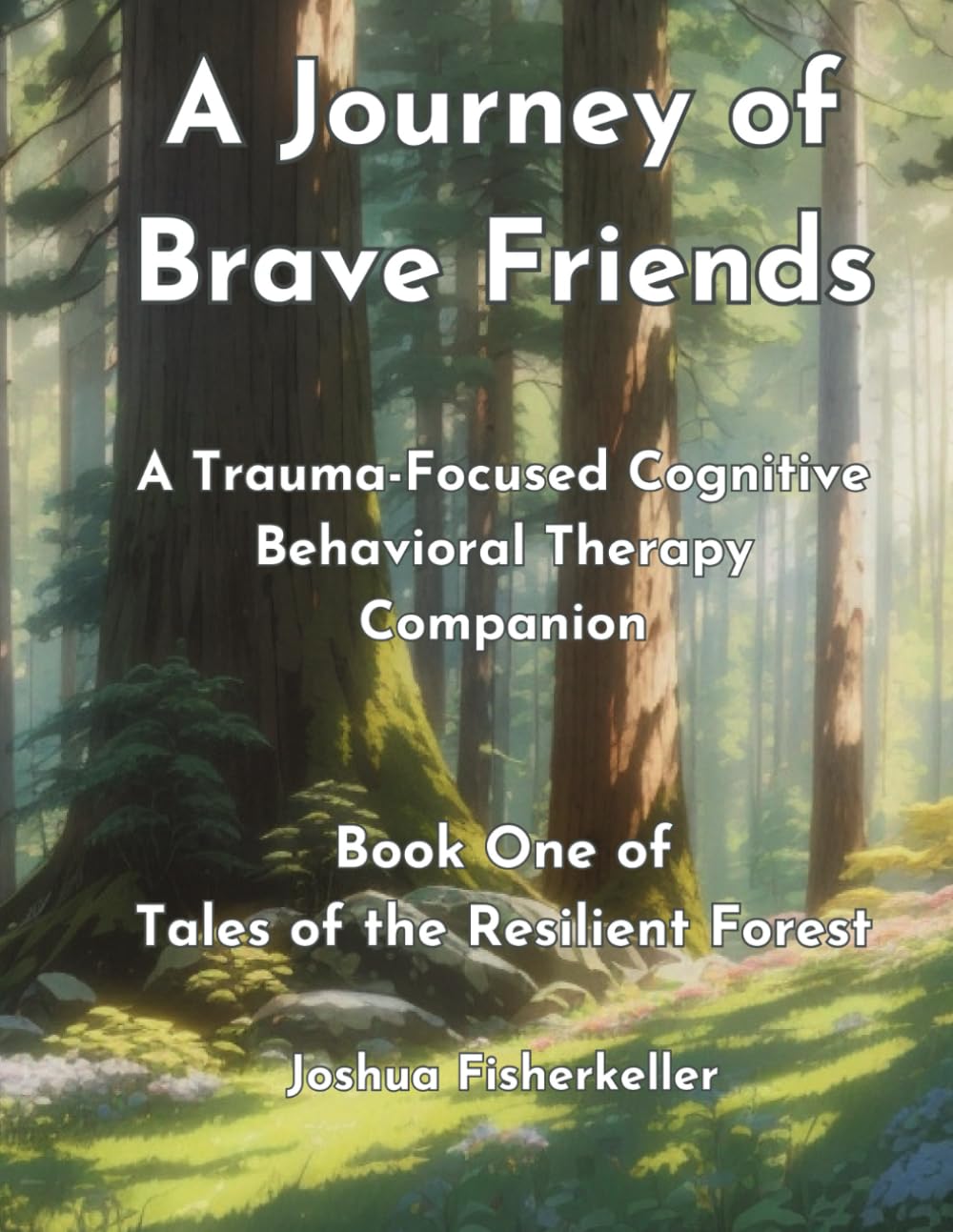
A story-led companion for children processing trauma. Designed to sit alongside Trauma-Focused Cognitive Behavioral Therapy, it walks young readers through the stages of healing using characters they want to come back to — gently, at their own pace.
Childhood trauma refers to scary, dangerous, violent, or overwhelming events that exceed a child’s ability to cope. These experiences can include physical or sexual abuse, emotional neglect, witnessing domestic violence, loss of a caregiver, serious accidents, natural disasters, or community violence. Trauma affects brain development and can lead to difficulties with emotional regulation, relationships, and learning.
It’s important to understand that trauma is not defined solely by the event itself, but by how the child experiences and processes what happened. Every traumatic event consists of different traumatic moments that may include varying degrees of life threat, physical violation, and witnessing of injury or death. Two children who experience the same event may react very differently based on their age, previous experiences, available support, and individual temperament.
The landmark Adverse Childhood Experiences (ACEs) Study revealed the profound long-term impact of childhood trauma on health and wellbeing across the lifespan. ACEs include experiences of abuse, neglect, and household dysfunction during childhood.
Research shows: Nearly two-thirds of adults report experiencing at least one ACE, and those with multiple ACEs face significantly higher risks for chronic health conditions, mental health challenges, and social difficulties throughout life.
However, the ACEs framework has important limitations. Trauma occurs within a broad context that includes children’s personal characteristics, life experiences, and current circumstances. Factors like poverty, discrimination, community violence, and systemic inequities also profoundly affect children’s experiences and recovery trajectories but aren’t captured in traditional ACEs screening.
Understanding ACEs helps us recognize patterns and risk factors, but every child’s experience is unique. The presence of protective factors—like a stable relationship with at least one caring adult—can significantly buffer the negative effects of trauma exposure.
Traumatic experiences evoke strong biological responses that can persist and alter the normal course of neurobiological maturation. When children experience overwhelming fear or threat, their developing brains adapt to prioritize survival, which can affect three key brain regions:
The good news is that children’s brains have remarkable plasticity. Ongoing neurobiological maturation and neural plasticity create continuing opportunities for recovery and adaptive developmental progression. With appropriate support and evidence-informed treatment, children’s brains can heal and develop healthier patterns.
Trauma-exposed children can exhibit a wide range of posttrauma reactions that vary in their nature, onset, intensity, frequency, and duration. These responses are normal reactions to abnormal events and can include:
Important to Remember: Not all trauma-exposed children will develop posttraumatic stress disorder (PTSD) or other mental health conditions. Depending on factors such as the type and frequency of trauma exposure and level of social support available, most children who experience a traumatic event will either not develop difficulties or will recover from initial difficulties. However, early identification and support are crucial for those who need help.
Traumatic events often generate secondary adversities such as family separations, financial hardship, relocations to a new residence and school, social stigma, ongoing treatment for injuries, and legal proceedings. These ongoing stressors can significantly complicate recovery.
Additionally, children face trauma reminders in their daily lives—sensory experiences, situations, or interactions that trigger memories of the traumatic event. These reminders can cause sudden shifts in mood, behavior, or functioning, making it difficult for caregivers to understand what’s happening without recognizing the connection to past trauma.
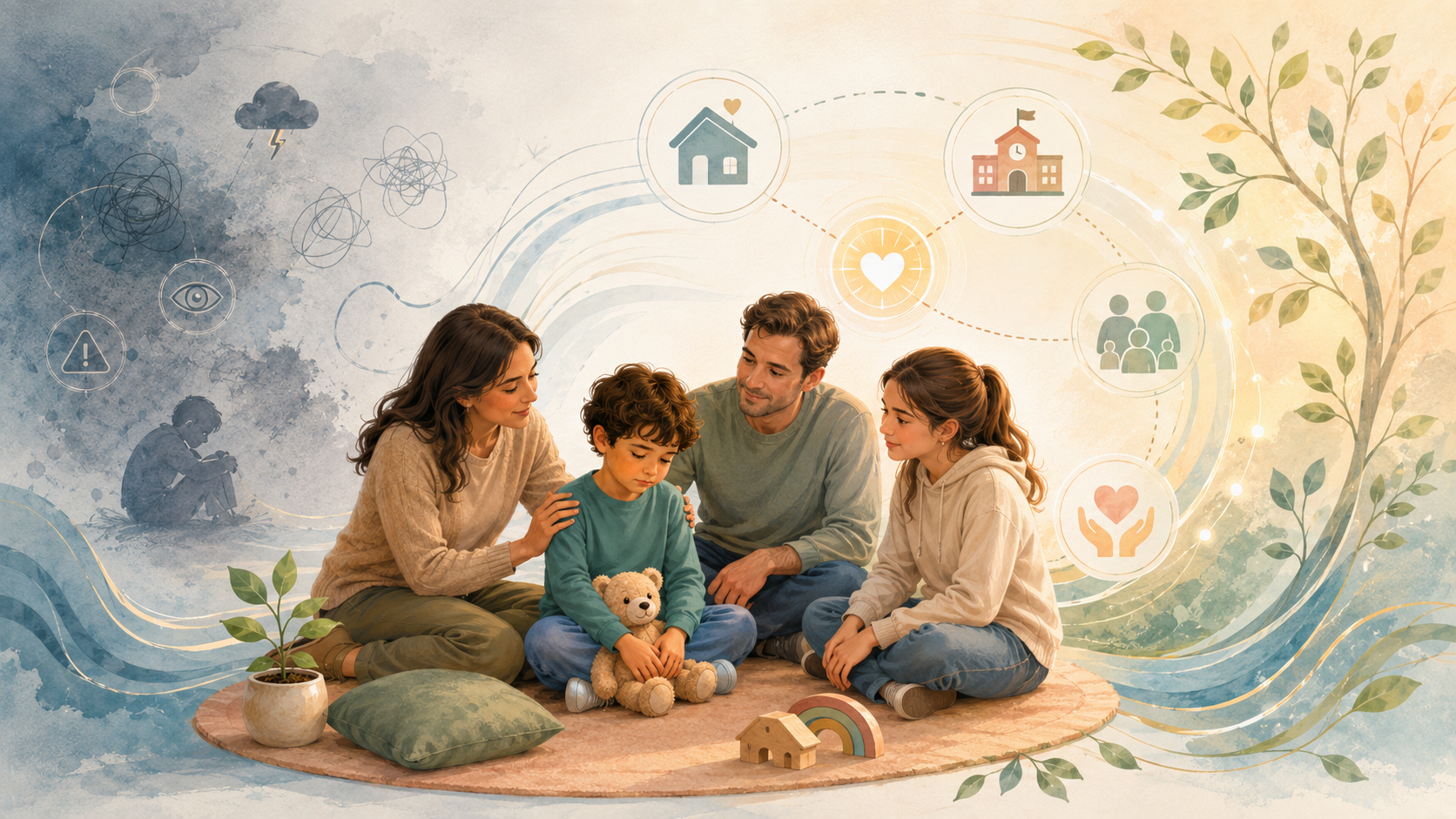
Children are embedded within broader caregiving systems including their families, schools, and communities. Traumatic experiences, losses, and ongoing danger can significantly impact these caregiving systems. When trauma affects a child, it affects the entire family system.
Caregivers may experience their own distress in response to their child’s trauma. Whether they witnessed the event, experienced it themselves, or learned about it afterward, caregivers often struggle with feelings of guilt, helplessness, or anxiety about their child’s wellbeing. Caregivers’ own distress and concerns may impair their ability to support traumatized children.
This doesn’t mean caregivers are failing—it means they need support too. When caregivers receive help processing their own responses and learn effective strategies for supporting their children, the entire family system strengthens.
One of the most important ways caregivers help children heal from trauma is through co-regulation—the process of providing a calm, steady presence that helps children regulate their own emotions and stress responses. This doesn’t require specialized training; it involves:
Protective and promotive factors such as positive attachment with a primary caregiver and possessing a strong social support network can reduce the adverse impact of trauma.
While many children naturally recover from traumatic experiences with the support of caring adults, some will need professional intervention. It is crucial that all professionals working with children can effectively identify and support those who may be struggling.
Trauma-Focused Cognitive Behavioral Therapy (TF-CBT) is the most widely researched and effective treatment for childhood trauma. It has strong evidence supporting its effectiveness across diverse populations and trauma types.
TF-CBT helps children and their caregivers through a structured, phased approach that includes:
The beauty of TF-CBT is that it’s adaptable—therapists can adjust the approach based on the child’s age, developmental level, and specific needs while maintaining the core components that make it effective.
While professional treatment is important for many trauma-exposed children, caregivers play an irreplaceable role in day-to-day support. Here are evidence-informed strategies any caregiver can use:
“Felt safety” goes beyond physical safety—it’s the internal sense of security a child experiences. Build felt safety by:
When children become overwhelmed by trauma memories or emotions, grounding techniques help them return to the present moment:
5-4-3-2-1 Technique:
Other Grounding Methods:
Create opportunities for children to express difficult feelings through:
Remember: Your role isn’t to “fix” the feelings but to provide a safe container for them to be expressed and processed.
Trauma occurs within cultural contexts that shape how it’s experienced, expressed, and healed. Effective trauma support must honor:
When seeking professional help, look for providers who demonstrate cultural humility and are willing to adapt their approach to fit your family’s values and experiences.
The research is clear: children can and do heal from trauma. With appropriate support, most trauma-exposed children develop resilience and go on to live healthy, fulfilling lives.
Recovery isn’t about forgetting what happened or pretending it didn’t affect you. It’s about:
Every child’s healing journey is unique, and there’s no “right” timeline for recovery. What matters is having access to informed, compassionate support along the way.
For comprehensive, free resources on childhood trauma recovery, including:
Visit the Trauma Resources hub for our full curated library.
This article is for educational purposes and is not a substitute for professional mental health care. If you’re concerned about a child’s wellbeing, please consult with a qualified mental health professional.
References:
Resources curated by Joshua Fisherkeller, MSW · About the curator
Want to build a website like this? Write and publish your own children’s book? Just need tech help? I can help. →